






At-Home Microneedling vs In-Office: What's Actually Different
You've seen the ads. A little roller, a few dollars, delivered by Tuesday, and supposedly your bathroom is now a med spa. We get why that's tempting, but at-home microneedling and the in-office kind only share a name and a rough idea, and the box on your doorstep isn't the same thing a provider uses.
We've written before about microneedling and sensitive skin and about how long results take, so this time we're sticking to the clinic-versus-bathroom question. Everything below comes from the practice's microneedling page, dermatology guidance, or a consumer report quoting two dermatologists, and we'll say which as we go.
Table of Contents
Same Word, Different Tools
Part of the confusion is that "microneedling" covers a lot of ground. Anyone can order a handheld roller online, a provider might use a pen-style device, and Be Beautiful's own page splits the treatment into medical and cosmetic microneedling, describing the medical kind as a handpiece with several tiny needles at the tip. Same word, very different hardware.
The American Academy of Dermatology doesn't sugarcoat the home version. According to the AAD, products sold for home use aren't meant to puncture the skin and give less noticeable results than a dermatologist's treatment. So if a friend swears microneedling changed her face, or ruined it, it's fair to ask which version she tried.
The Needles
Length is the obvious difference. Cleveland Clinic says professional needles run 0.5 to 2 millimeters, with the longer ones kept for deeper scars. In the NBC Select piece, Dr. Stacey Tull puts home devices at around 0.25 millimeters, and Dr. Azadeh Shirazi gives 0.5 to 2.5 for the professional kind. Don't lose sleep over 2 versus 2.5. These are ranges, and nobody's measuring to the hair.
What matters is the direction. Home needles are shorter, and the report's take is that this makes them somewhat safer for non-professionals and less effective too, since the whole treatment depends on a controlled bit of injury and shorter needles make less of it.
So which depth would suit you? An article can't answer that. It depends on the concern and the area, and somebody has to look at your skin first.
Why the Results Don't Match
Less injury means less effect, and both the AAD and the NBC report say so. In a clinic it's also a series, not a single event. Be Beautiful recommends 3 to 6 sessions spaced 4 to 6 weeks apart. Cleveland Clinic says most people need several sessions about 3 to 8 weeks apart, with maybe a touch-up once a year. For acne scars treated with PRP, the AAD describes 3 to 5 sessions every 2 to 4 weeks. That's three schedules for three situations, and none of them is a promise about your skin.
Then you wait. Cleveland Clinic says full results can take 3 to 6 months, and the AAD says they show up over several months. Judge it at two weeks and you've judged too soon, whether you did it at home or in a chair.
What Can Go Wrong
At home, the AAD lists a handful of ways it can go sideways: irritation from overdoing it, an infection or a scar from puncturing the skin, warts or herpes or other viruses spread across your face, and a change in color or texture if you press too hard.
A clinic isn't zero risk either, to be fair. Cleveland Clinic calls microneedling a safe procedure and still lists bruising, scarring, and skin infection. The AAD adds that going to a non-medical operator raises the odds of infection, scarring, and discoloration that lasts, and it points people toward a board-certified dermatologist.
And some of what you'll see afterward isn't a risk at all. The AAD says skin can look red (or darker, in people with darker skin) and feel sunburned, hot, and swollen after a professional session, usually fading in a few days to a week. Cleveland Clinic says up to five days.
Who Should Wait or Skip It
Quite a few people get told to hold off. The AAD says to postpone for a recent tan or sunburn, a skin infection, or painful, pus-filled, or deep pimples, and to skip it altogether if you heal slowly, have a history of keloids or a weakened immune system, are being treated for skin cancer in the area, or have had radiation. It also says to wait at least a month after your last isotretinoin pill. Cleveland Clinic's list overlaps with that and adds acne medication, blood disorders and blood thinners, chemotherapy, frequent contact dermatitis or cold sores, moles or skin tags that change or bleed, and eczema or psoriasis.
Here's why that matters for the roller. Someone trained is supposed to run through that list before a single needle comes out, and nobody does that at your bathroom sink. If something on it sounds like you, talk to a provider first.
What a Visit Looks Like
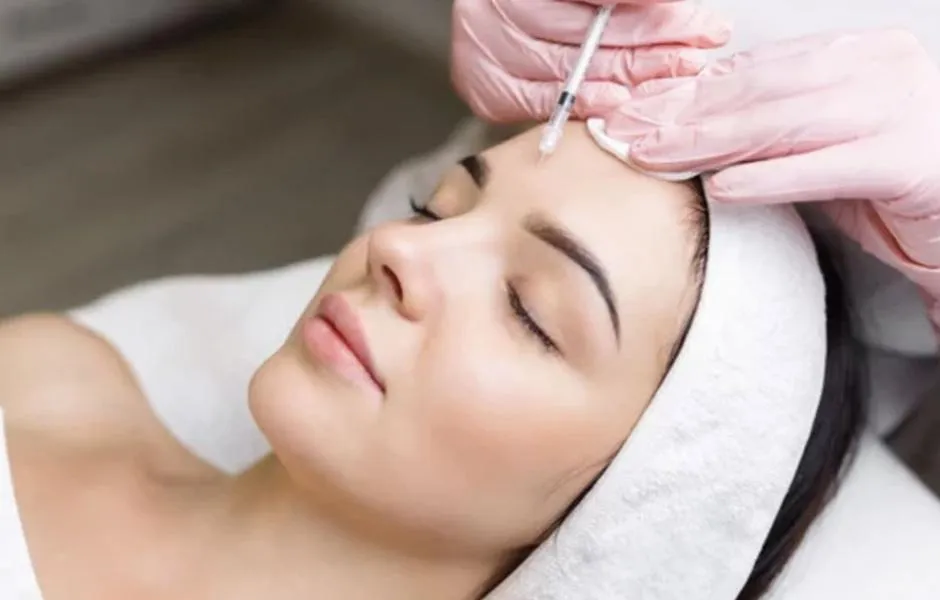
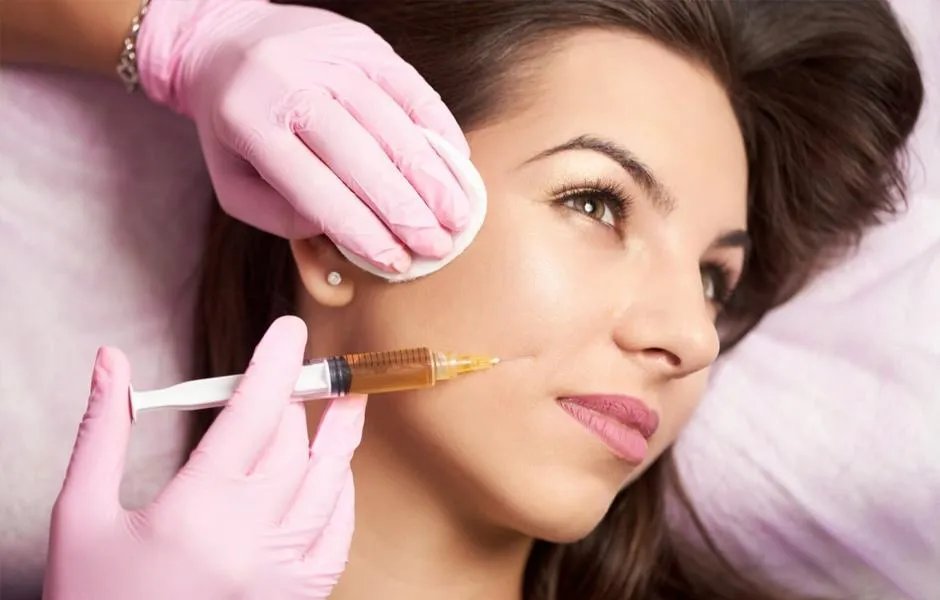
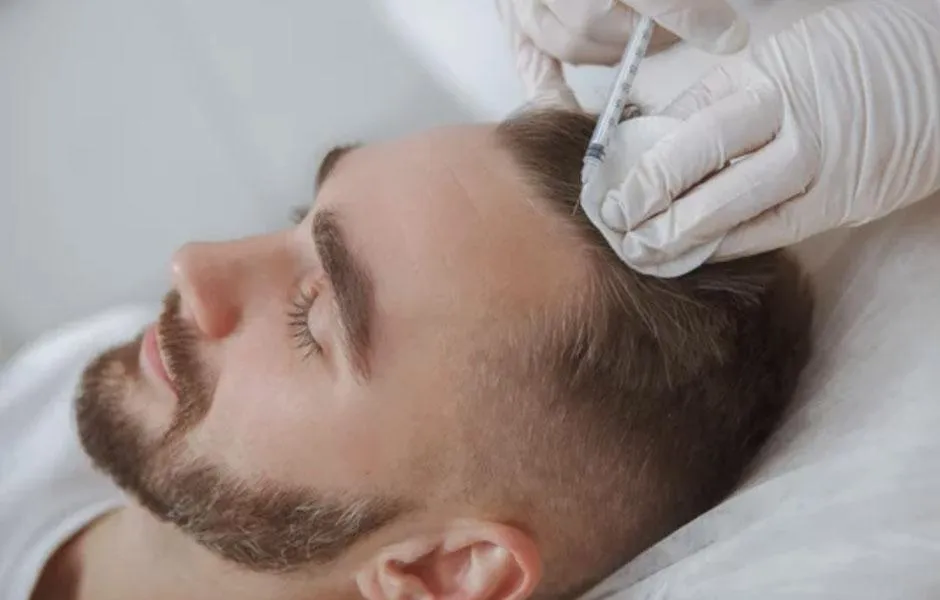
Be Beautiful's page puts a treatment at about 15 minutes, with a medical-grade numbing cream first, and says you'll have slight redness or sensitivity for 24 to 48 hours and most clients are back to normal the next day. Cleveland Clinic's number is up to five days, which is a good reason to ask what you should expect for your skin and your depth.
The page also says the treatment is safe and effective for all skin tones and types, with minimal risk, when performed by licensed professionals. It doesn't say which provider does microneedling, so ask when you book. The providers page shows the team.
If You Already Own a Roller
We're not going to tell you to toss it. We'd be guessing about your skin. What we can do is pass along what the two dermatologists in the NBC report said.
Dr. Shirazi said professional care in a controlled setting is often safer and more effective, especially for stronger treatments. At-home use is possible, she said, but sterile equipment is essential, so clean the device before every use, and don't go more than every few weeks because overdoing it irritates skin. The report adds that people with sensitive skin or active eczema or psoriasis flare-ups should skip home use. One caveat: it's a shopping guide that earns commissions, so read it with that in mind.
Not sure about your device? Bring it to a consultation. And once you've had a professional session, what to put on your face afterward is its own topic.
What to Ask at Your Consultation
Start with the needle depth they'd use for your concern, and why. Then find out who'll actually be doing the treatment and what training they have, and mention anything from your history that's on the lists above, past acne medication included. Last, ask how many sessions you'll likely need, how far apart, and how you'll both know it's working.
Already using a home device? Say so, and ask whether to keep going, pause, or stop. That one's up to whoever has looked at your skin.
Cost and Booking
We don't quote prices here, because cost depends on your goals and the number of sessions, and it's set at your consultation. The practice has a payment plans page, and the team can tell you what financing applies. For questions about your own case, use the contact page or call (786) 497-3150.
You can book through the practice's online scheduling page. The office is at 9075 SW 162nd Ave, Suite 102, Miami, FL 33196, open Wednesday through Friday from 10 AM to 5 PM and Saturday from 10 AM to 2 PM.
Words You'll Hear
A derma roller is the little wheel of needles you roll across your face, and a microneedling pen is a handheld device with the needles at the tip. The practice describes its medical microneedling as a handpiece like that. Needle depth is just how far the needles go in, and whoever's doing your treatment sets it.
You'll also run into a few medical words on screening forms. A keloid is a raised scar that grows past the edges of the original wound, so if you scar that way, say so. Isotretinoin is a prescription acne medicine, which is why it comes up before treatment. PRP stands for platelet-rich plasma, made from your own blood and sometimes added to microneedling. And discoloration means a lasting change in skin color, which the AAD lists as a risk when a non-medical operator does the treatment.
Frequently Asked Questions
CIs at-home microneedling as effective as in-office treatment?
No. Both the AAD and the NBC report say home devices give less noticeable results, mostly because the shorter needles create less of the controlled injury the treatment relies on.
Is at-home microneedling safe?
It can be, but it depends on the device, how you use it, and your skin. The AAD lists irritation, infection, scarring, and spreading viruses as risks, and the dermatologists in the NBC report stress sterile equipment.
How often can I do it?
Nobody gives one answer. In a professional series, Be Beautiful recommends sessions 4 to 6 weeks apart and Cleveland Clinic says 3 to 8 weeks. For home use, one dermatologist in the NBC report said not more than every few weeks.
Who shouldn't get microneedling?
People who heal slowly, have a history of keloids, have an active skin infection or a recent sunburn, or take certain medicines, among others. The full lists are above, and your provider will go through yours.
Can I use my device between office visits?
Ask your provider. It depends on your skin and your plan.
This post is general education, not medical advice. A licensed provider can examine your skin and recommend a plan.
It's better to be safe than sorry. Book a consultation with one of our providers for better care for your skin.
This article is for general education and isn't a substitute for personalized medical advice. Talk with a Be Beautiful provider about your skin and health history before starting any treatment.