






Chemical Peels for Acne Scars: Do They Really Work?
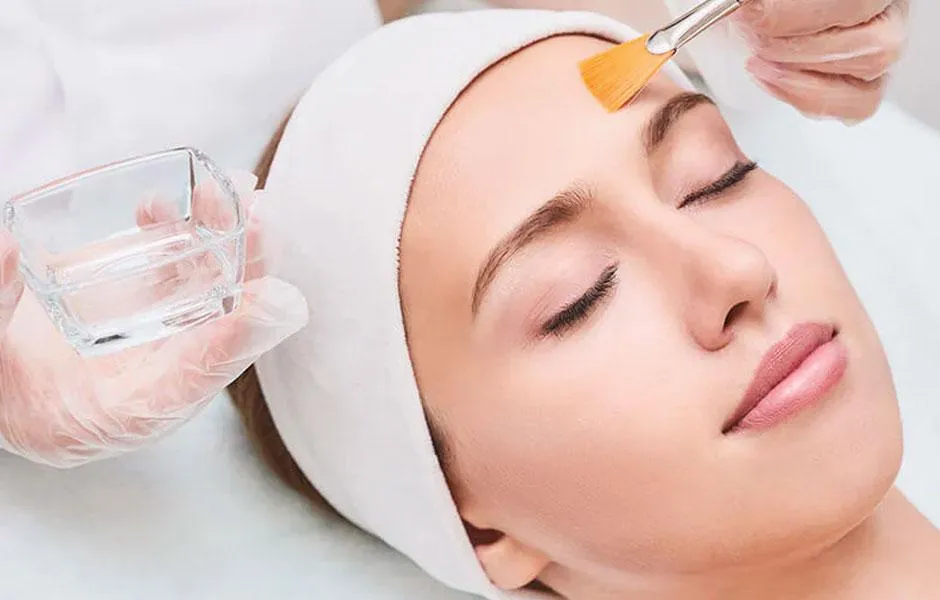
Depends entirely on what your scars actually look like up close. Peels do real, visible work on flat discoloration and soft, shallow texture, since they push your skin to build more collagen as it heals, and that shows up gradually across a series of visits rather than one. Deep, sharply pitted scarring is a different problem, and a peel by itself usually can't reach it, no matter how many sessions you book. We'd rather say that plainly now than have you find out three appointments in that nothing's really changed on the scars that bother you most.
Not sure your skin is even a candidate? Is a chemical peel right for your skin walks through it. The treatment itself is on our chemical peel service page.
Table of Contents
Why "Peels Erase Scars" Is the Wrong Promise
What Kind of Scar Are You Actually Looking At?
Where a Peel Runs Out of Reach
How We Build a Plan Instead of Selling One Service
A Jawline That Needed More Than Peels
Why "Peels Erase Scars" Is the Wrong Promise
Somebody sells a lot of first appointments with the line "chemical peels erase acne scars," and disappoints a lot of the same people by their third visit, once it's obvious their pitted scarring hasn't budged. Living with acne scarring is hard enough without a marketing line making you feel like you did the treatment wrong when really, it was just never suited to your particular scars.
The less exciting, more useful truth: peels are genuinely good for some kinds of scarring and not much use against others. Knowing which side of that line your scars fall on before you spend money is what keeps this from feeling like a waste later.
What Kind of Scar Are You Actually Looking At?
Dermatologists generally group acne scarring into a few types, and the type matters more than the peel brand. Discoloration, sometimes called post-inflammatory marks, is flat pink, red, or brown patches left where a breakout used to be. Left alone, these often fade with time anyway, and a peel just speeds that up. Shallow, rolling texture is a softer kind of unevenness, dips without sharp edges that mostly show up in certain light rather than looking dramatic close up.
Boxcar scars sit further down the spectrum, wider depressions with defined edges, usually from acne that ran moderate to severe. Ice pick scars are narrower and go deeper still, and of everything on this list, they're the hardest for anything applied to the surface to reach. The American Academy of Dermatology doesn't soften this much: once scars form, they rarely go away completely without treatment, and that's the reason so many people wind up researching this in the first place.
Where a Peel Earns Its Cost
Discoloration and shallow texture are where peels do their best, most legitimate work. The AAD credits this to peels helping skin "produce more collagen and elastin," which slowly fills shallow depressions in from below the surface rather than just sanding down the top layer.
It takes longer than people expect, though. The AAD's own guidance says mild and medium peels often need more than one session, some plans running three to five before real change shows up. One appointment smoothing things out visibly was never really on the table. Results build gradually across a series of visits rather than showing up after a single one, and that's simply how the timeline works.
Where a Peel Runs Out of Reach
Boxcar and ice pick scarring generally need more than exfoliation and collagen stimulation can offer on their own. The AAD points to laser resurfacing, which drives collagen and elastin production harder than a peel reaches, and in some cases scar surgery, which physically lifts or releases the scarred tissue underneath.
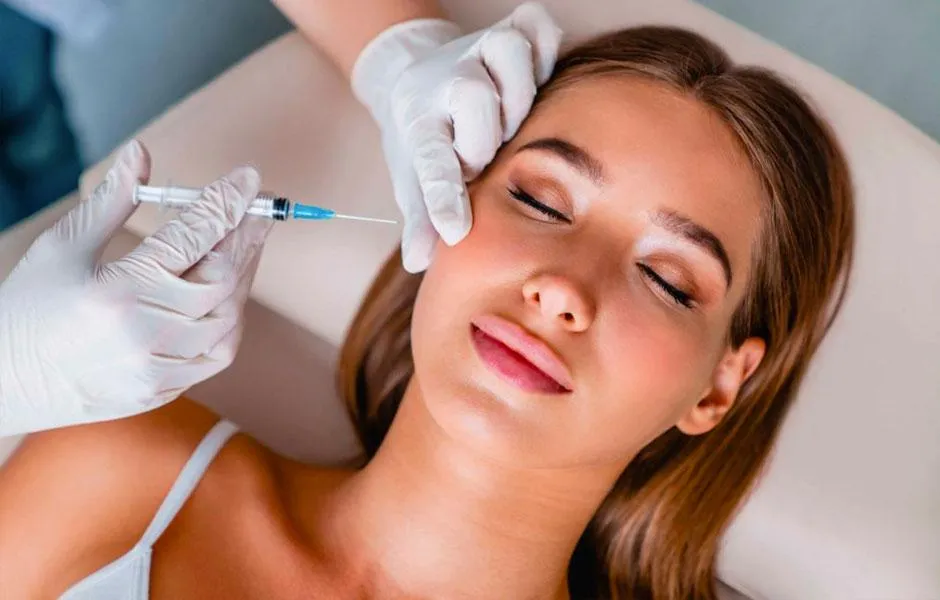
One detail worth knowing: the AAD describes dermatologists lifting a sunken scar surgically and then injecting filler afterward to restore volume. Lift, then rebuild, is a legitimate, established approach to depressed acne scarring, and it was never something a peel alone was built to accomplish.
A Bit of Vocabulary
Collagen and elastin are the proteins holding skin firm and structured, and both peels and stronger treatments work partly by getting your body to produce more of them. A boxcar scar is a wide, sharp-edged depression, tougher for a peel to soften than shallower scarring. An ice pick scar is narrow and deep, generally the hardest of all to improve without something more aggressive. Volume restoration means using filler to physically lift and fill an area that's lost its structure, often paired with a scar-lifting procedure for depressed scarring specifically.
How We Build a Plan Instead of Selling One Service
This is where having more than one tool in the building actually matters. Environ chemical peels are a strong, legitimate starting point for discoloration and shallow texture, and for a lot of clients, that covers everything they came in for. For scarring that runs deeper, our providers bring in Morpheus8 for texture and remodeling, or dermal filler treatments to rebuild volume where a scar left a visible dip, roughly the same combination the AAD describes dermatologists using.
Dr. Ann Giovanni, MD, and Heidi Schuler, APRN, are usually the two assessing which category a client's scarring falls into before recommending anything. Their backgrounds are on our team page.
A Jawline That Needed More Than Peels
A client came in hoping a series of peels would smooth out scarring along his jawline, left over from acne that had cleared years before. Looking closer, most of it was boxcar scarring, defined, sharp-edged depressions rather than the shallow kind that peels handle well. We told him upfront that peels alone probably wouldn't do much for scars shaped like his.
His plan started with Morpheus8 for the deeper texture, with filler kept on the table for whatever depression remained afterward. He still gets an occasional peel for overall tone, and it helps, but it was never going to be the treatment carrying his jawline on its own. Saying so at the first visit is what made the rest of his plan land right.
Putting Your Own Plan Together
Get an honest read on what kind of scarring you're dealing with before anything else, since discoloration and shallow texture respond to peels very differently than boxcar or ice pick scarring. Think in terms of a series if peels are involved at all, not a single visit. Ask outright whether peels alone make sense for your specific scars, and expect a straightforward answer if a combined approach would actually serve you better. For deeper scarring, ask about pairing peels with something like Morpheus8 or filler instead of assuming one treatment has to carry the whole plan. And protect whatever progress you make with real sun protection, since sun exposure in the weeks after a peel can undo a good chunk of what the treatment plan built.
Frequently Asked Questions
Will one chemical peel get rid of my acne scars?
Almost never. A provider promising that off a single session is overselling it. Discoloration and shallow scarring respond to a series over time, and deeper scarring usually needs something else added to the plan.
Which scars respond best to peels?
Flat discoloration and soft, shallow texture, by a wide margin. Sharply defined depressions like boxcar or ice pick scars stay stubborn no matter how many peels you do on their own.
My scars are on the deeper side. What would actually help?
Energy-based remodeling, filler for volume, or in some cases a scar-lifting procedure. Which one fits depends on your specific scars, which is worth an actual look before committing to anything.
How long before I'd see real improvement?
Think months and sessions, not days and appointments. Some clients notice tone shifting within a few visits. Deeper scarring improvement takes longer to show.
Is a peel even worth it if my scars are deep?
Usually, yes, alongside something else. A peel keeps improving overall tone and texture around deeper scars even while a separate treatment does the heavier work on the depressions themselves.
Acne scarring rarely gets solved by one treatment working alone, which is why the more useful move is building a real plan instead of buying whatever's being sold that month. Sometimes that's a peel series. Sometimes it's filler, or a mix of both. Either way, it starts with someone actually looking at your scars in person. Our providers can tell you what yours will realistically respond to before you spend anything.
This article is for general education and isn't a substitute for personalized medical advice. Talk with a Be Beautiful provider about your skin and health history before starting any treatment.