









Is Kybella Right for You? A Candidacy Guide
Fat, not skin. That's the single biggest thing that determines whether Kybella is going to give you the result you're picturing, and it's also the thing people most often get wrong on their own in front of a mirror. What Kybella actually is covers the drug and mechanism, and how many sessions you'd likely need covers the practical treatment plan. This post is about the question that comes before either of those: whether Kybella is actually the right tool for what's under your chin. Full treatment details are on Be Beautiful's Kybella service page.
Table of Contents
What Kybella Is Approved to Treat
Who Should Think Twice Before Kybella
Health Factors Worth Discussing With Your Provider
What Kybella Is Approved to Treat
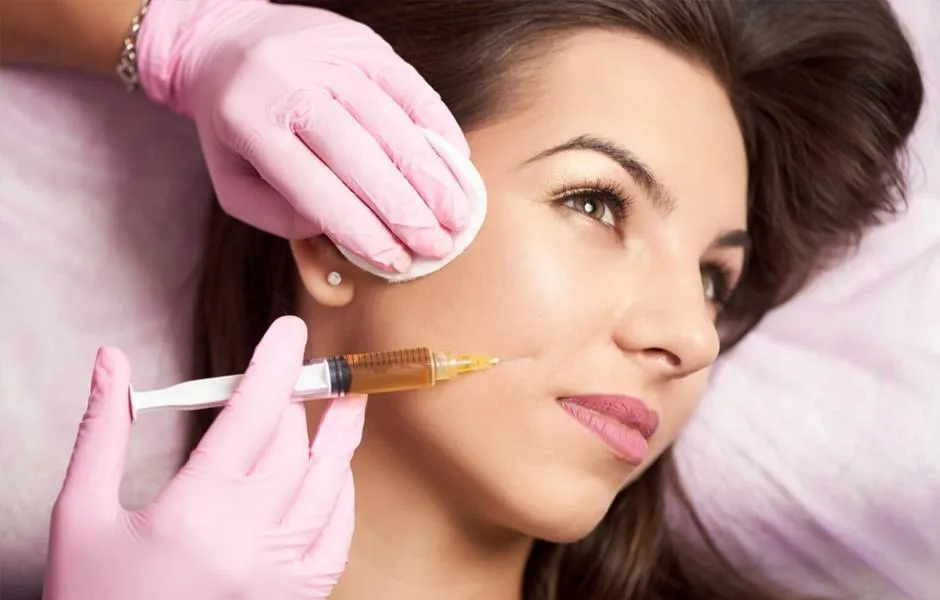
Submental fat, specifically. The FDA approved Kybella "for improvement in the appearance of moderate to severe convexity or fullness associated with submental fat in adults," and the label is explicit that the drug hasn't been established as safe or effective anywhere outside that area. Be Beautiful's own Kybella treatment follows that same scope: chin and neck fullness caused by fat, not a general-purpose injectable for anywhere on the face or body.
Candidacy starts right there. If what's bothering you is genuinely fat sitting under the chin, Kybella is built for exactly that. If it's something else, and there are a few common somethings else, no number of sessions is going to deliver the change you're expecting
The Fat vs. Skin Distinction
Cleveland Clinic draws this line clearly: Kybella suits people with "mild to moderate skin excess," where fat is the primary driver of fullness. Significant loose or sagging skin under the chin is a different problem. It usually traces back to lost elasticity, not fat volume, and dissolving fat cells in that scenario can leave the existing loose skin with even less structure underneath it to hold onto.
Telling the difference yourself isn't always obvious. A simple, imperfect way to get a sense of it: gently pinch the area under your chin. A soft, fatty fullness that pinches easily tends to point toward fat. Skin that looks loose or crepey even without pinching, especially if it doesn't spring back quickly, points more toward a laxity issue. This is a rough self-check, not a diagnosis, and a provider examining the area in person is far more reliable than any at-home test.
Who Should Think Twice Before Kybella
A few specific situations change whether Kybella is appropriate at all, and they deserve a direct conversation at consultation, not a guess made alone. An active infection at the injection site is an outright contraindication per the FDA label; treatment shouldn't proceed until that clears. A history of difficulty swallowing is another one the label calls out directly, since dysphagia has been reported in Kybella trials, generally resolving within a few days but occasionally lasting longer.
Significant excess or sagging skin, as covered above, doesn't disqualify someone automatically, but it does change what result to expect and whether a different approach might serve the area better. None of these situations mean Kybella is off the table entirely. They mean it's a conversation to have honestly with a provider, not something to self-diagnose from a symptom list.
Health Factors Worth Discussing With Your Provider
Mention blood thinners and antiplatelet medications up front if you're on either. Bruising is already one of the most common effects of Kybella treatment, showing up in the majority of patients in FDA trials, and anticoagulant use can make that more pronounced. It's not necessarily a reason to avoid treatment, just something a provider should factor into your plan and expectations.
Injector technique matters more with Kybella than with some other injectables, since the treatment area sits close to the marginal mandibular nerve, the nerve controlling part of the lower lip and smile. Injected too high or too close to the jawline, Kybella carries a documented, if uncommon, risk of temporarily affecting that nerve, which can show up as an asymmetrical smile that resolves over time in reported cases. This is exactly why Kybella should only be done by a trained, experienced injector working from careful anatomical landmarks, which is standard practice at Be Beautiful.
A Note on Other Areas
Deoxycholic acid injections do get used off-label elsewhere in aesthetic medicine, on jowls or other areas of stubborn fat, though that's outside what the FDA has actually studied and approved Kybella to treat. Be Beautiful's Kybella treatment is specifically for submental fat, in line with the drug's approved use, so if what's bothering you is fullness somewhere other than under the chin, that's a different conversation to have at consultation rather than an assumption to make from this post.
On the flip side, some patients do see more than just fat reduction. Cleveland Clinic notes that results can include some skin tightening and a sharper chin profile alongside the fat loss itself, a likely secondary effect of the tissue's healing response. Kybella isn't designed to tighten skin directly, so treat this as a possible bonus, not something to count on or a reason to reconsider candidacy if skin laxity is your primary concern.
What a Consultation Actually Checks For
A provider examines the area directly, checking fat volume, skin quality, and how the two relate to each other, the same fat-versus-skin distinction covered above but done properly instead of guessed at in a mirror. They'll also go through your health history, including any of the factors above, and confirm there's no active infection or other reason to hold off.
The earlier posts in this series become useful right around this point. Once you know Kybella is actually the right tool for what's under your chin, how many sessions you'll likely need becomes the next practical question, and a provider can estimate that at the same visit.
Cost and Booking
Kybella pricing depends on how many sessions your specific treatment plan calls for, so Be Beautiful doesn't publish a flat number, and it isn't something this post can estimate without knowing your anatomy. Insurance doesn't cover it, since it's an elective cosmetic treatment. A consultation is where candidacy gets confirmed and where an actual cost estimate comes from, in the same visit.
A Few Terms Worth Knowing
Submental fat is fat specifically located under the chin, the one area Kybella is FDA-approved to treat. Skin laxity is a different issue entirely: loss of elasticity and firmness in the skin itself, not fat volume, and not something Kybella is designed to address. As for the marginal mandibular nerve, it runs near the jawline and controls movement in part of the lower lip, which is exactly why careful injection technique is built around avoiding it.
Frequently Asked Questions
Can I get Kybella if I have loose skin under my chin?
It depends on how much. Mild to moderate skin laxity alongside fat fullness is generally still treatable, but significant loose skin on its own is a different problem Kybella isn't built to fix. A provider can tell you which situation you're in.
Is there an age limit for Kybella?
The FDA approval covers adults generally, without a specific upper age cutoff, though skin elasticity does tend to change with age, which is part of why an in-person evaluation matters more than age alone.
What disqualifies someone from getting Kybella?
An active infection at the injection site is the clearest disqualifier per the FDA label. A history of swallowing difficulty and certain other health factors deserve a direct conversation with a provider, not a guess made either way on your own.
If I'm not a candidate for Kybella, what else does Be Beautiful offer?
That depends entirely on what's actually causing the fullness under your chin. A consultation is the right place to go through alternatives specific to your situation rather than guessing from a blog post.
Does being underweight or overweight affect candidacy?
Trial participants in Kybella's FDA studies averaged a BMI of 29, so it wasn't studied narrowly in one weight range. What matters more for candidacy is the fat-versus-skin distinction covered above, which a provider assesses regardless of your overall weight.
Whether Kybella is right for you really does come down to a fairly simple question, fat or skin, answered properly by someone examining the area rather than guessed at from a mirror. Health factors and injection technique matter too, but they're things a qualified provider accounts for, not reasons to rule yourself out ahead of time. One of our providers can walk through all of it at a consultation.
This article is for general education and isn't a substitute for personalized medical advice. Talk with a Be Beautiful provider about your skin and health history before starting any treatment.