










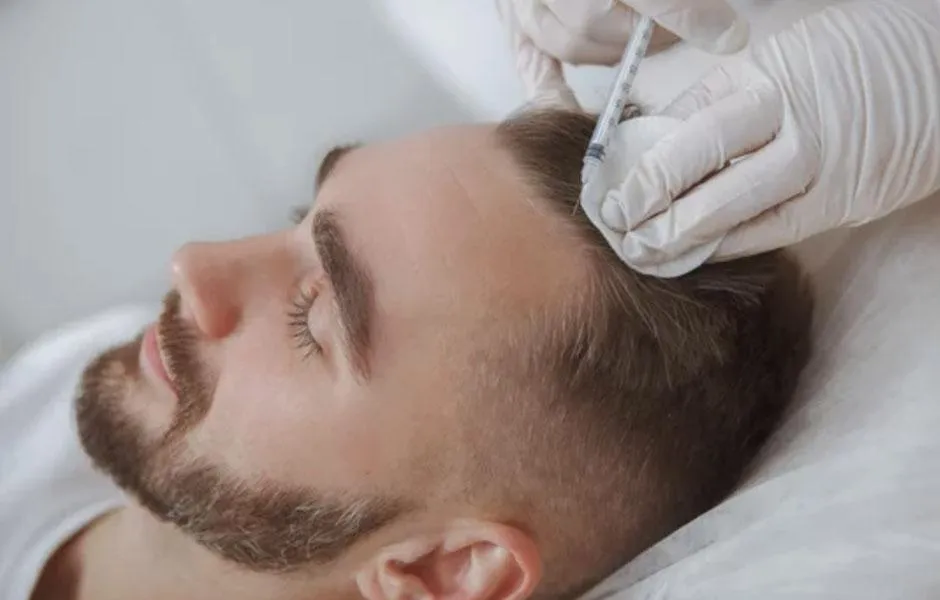

What Is Sculptra and How Does It Work?
Poly-L-lactic acid is the ingredient actually doing the work in a Sculptra syringe. A hyaluronic acid filler adds volume the moment it goes in. Sculptra takes longer. Your body spends weeks rebuilding collagen you've already lost, and a finished series can hold for two years or more. Sculptra vs dermal fillers: what's the difference lays out that comparison in full, and how long Sculptra results last covers the timeline once your own collagen catches up. This post covers the mechanism underneath all of it, why the wait happens and what your body's actually doing during it. Full treatment details are on our Sculptra service page.
Table of Contents
What's Actually in the Syringe
The Mechanism: How Sculptra Rebuilds Collagen
What Sculptra Is Used to Treat
What a Sculptra Treatment Plan Actually Looks Like
What Results Look Like, Week by Week
What's Actually in the Syringe
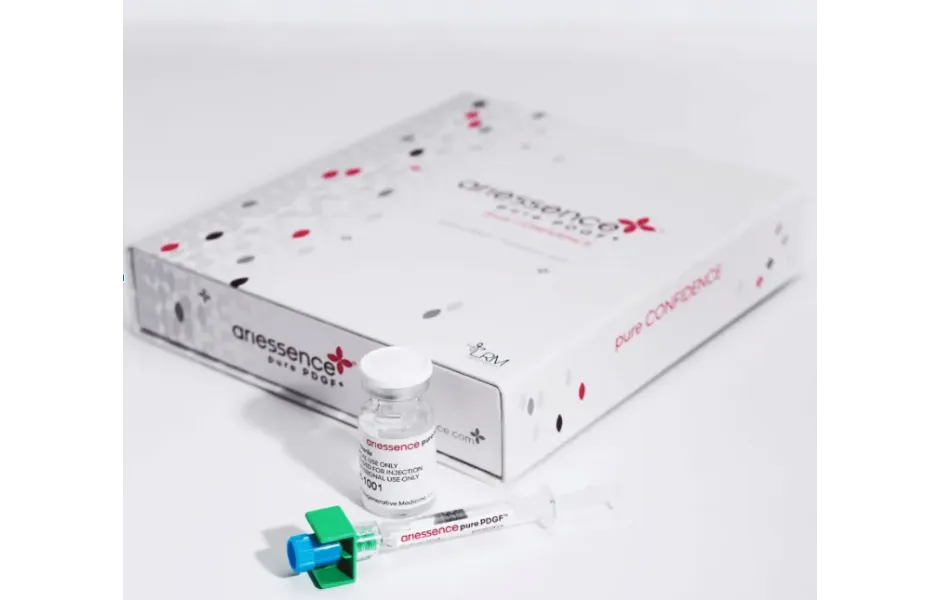
PLLA, poly-L-lactic acid, is Sculptra's active ingredient. It's biocompatible and biodegradable, made of microscopic particles suspended in a solution with carboxymethylcellulose and mannitol added so it injects smoothly. There's no gel in the syringe, nothing sitting under your skin the moment it goes in.
Most people assume Sculptra works like Juvederm or Restylane, plumping the treated area right away. PLLA works differently. It acts more like a signal than a filler, telling your body to restart collagen production it slowed down years ago. The volume comes later, once your own tissue responds.
The Mechanism: How Sculptra Rebuilds Collagen
The PLLA microparticles settle into the deep dermis after injection. Cleveland Clinic notes they sit there for a few days before your body starts breaking them down, and that breakdown signals your own cells to start producing new collagen at the injection site. Collagen is the protein that keeps skin firm, so building more of it in the right spots gradually restores volume and smoother contours over time.
Your face looks the same walking out of that first appointment. That's the plan working as intended. The FDA's clinical summary for Sculptra Aesthetic is specific about avoiding overcorrection in a single session, so providers train to under-treat at each visit. Your own collagen fills in the rest over the following weeks, which is why a single syringe was never going to finish the job in one sitting.
What Sculptra Is Used to Treat
What is Sculptra actually treating, once you understand how it works? On the face, that's mostly volume loss and deeper wrinkles or folds, especially where cheeks, temples, or the lower face have thinned out. Sculptra is built for that kind of gradual, broad volume loss, more than a single crease you want handled by tomorrow.
Sculptra isn't only used on the face. Cleveland Clinic lists the buttocks and hips among the more common body-treatment sites, and Be Beautiful also uses it for hip dips, chest wrinkles, knees, and arms. Wherever it goes, the mechanism stays the same: your body building its own collagen at the injection site.
What a Sculptra Treatment Plan Actually Looks Like
Two to three sessions is typical for Be Beautiful clients, spaced a few months apart depending on how much collagen loss someone's starting with. That matches the FDA's approved protocol, which allows up to four sessions, usually three, spaced at least three weeks apart, using a deep dermal grid injection pattern.
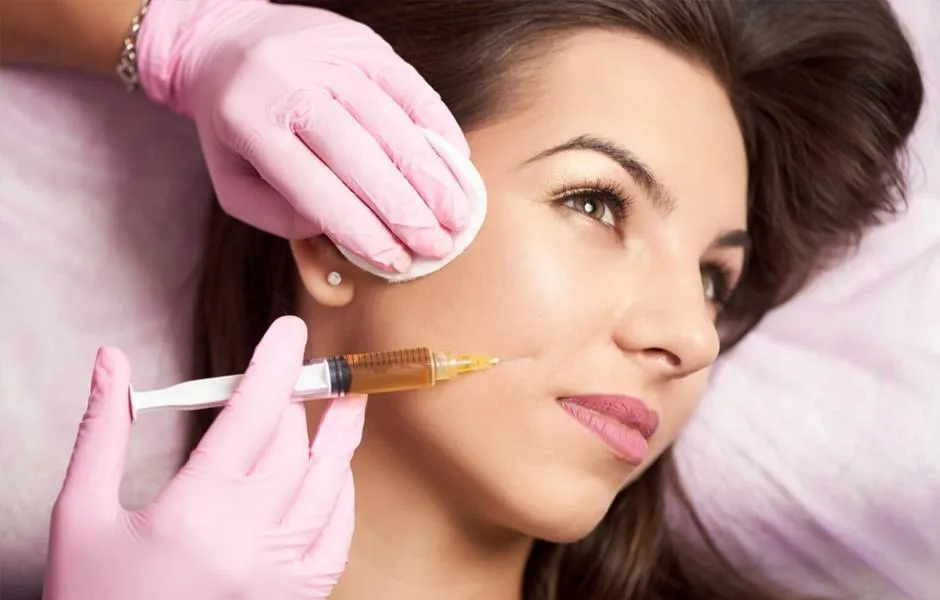
The appointment itself is short. Lidocaine's mixed into the solution, topical numbing is available on request, and most people describe the discomfort as minimal, a handful of quick pinches.
The grid pattern is where a provider's skill actually shows. Product goes into the tissue in a systematic, cross-hatch layout, not scattered points. Uneven distribution can leave lumps or an asymmetrical result; even distribution builds a smooth, consistent collagen response across the area. A trained injector spends real time mapping that grid before the needle gets anywhere near your face.
What Results Look Like, Week by Week
Your skin looks the same right after the appointment. Cleveland Clinic notes most people start noticing plumper or fuller-looking skin within about a month, with full results from a given session typically showing by the four-to-six-week mark. Because a full plan involves multiple sessions, each round builds on the last: whatever shows up after session two includes what session one already started.
The FDA's trial data deserves a mention here too, not just the flattering numbers. FDA's trial data found localized swelling, tenderness, and redness common in the first two weeks after injection, each reported by roughly eight in ten study participants. Small nodules or papules under the skin turned up in about seventeen percent of people, usually five to seven months after treatment, typically resolving within about six months on their own. Knowing that ahead of time means a normal healing bump doesn't turn into a midnight search spiral. If something feels off, ask your provider directly.
A Few Terms Worth Knowing
PLLA, poly-L-lactic acid, is the synthetic, biodegradable compound doing the actual work, absorbed by your body gradually as it stimulates new collagen. Collagen stimulator is the broader category: any injectable, Sculptra and Radiesse included, that gets your body producing its own collagen, unlike a hyaluronic acid filler such as Juvederm or Restylane, which adds volume on contact. Deep dermal grid injection is simply the cross-hatch pattern providers use to spread the product evenly through a treatment area.
Provider skill matters here the same way it does everywhere else in aesthetics. Who should safely perform your dermal fillers covers the same qualification question for a different injectable, and most of that logic applies here too. For comparing Sculptra against other collagen-focused treatments, our PRP facial comparison guide lines it up against PRP, Botox, and a few other options Be Beautiful offers.
Who's a Good Candidate
Good candidates are typically dealing with gradual volume loss across a broader area than one specific line. Cleveland Clinic notes it's generally not recommended for anyone allergic to its components or with a history of poor healing after an injury, and that a provider should review your health history and goals before scheduling anything.
Some people want results visible the moment they leave the appointment. Raise that directly at your consultation, since it affects which treatment actually fits you. It's also exactly the question the next post in this series answers.
A Realistic First Consultation
Take a woman in her mid-forties who's noticed her cheeks looking hollower than they used to, without one specific wrinkle driving the concern, just an overall loss of fullness. A filler could address that too, but she'd need maintenance every six to eighteen months. Once her provider lays out the tradeoff, a longer wait for a result that holds two years or more, against a faster fix she'd repeat regularly, the choice usually gets easier to make.
Every Sculptra consultation should cover that ground: not just candidacy, but which timeline fits how someone wants to handle maintenance going forward. Some clients combine approaches, using Sculptra for the broader rebuild over a series of visits while keeping a small amount of hyaluronic acid filler in reserve for something more immediate, like an event a few weeks out. A provider is the right person to map that out with.
Frequently Asked Questions
What is Sculptra, exactly?
A poly-L-lactic acid injectable that gets your own body producing more collagen. A hyaluronic acid filler like Juvederm fills a wrinkle directly; Sculptra works underneath that, which is why people still lump it in with fillers even though the mechanism's different.
Does Sculptra hurt?
Not much. There's lidocaine mixed into the solution, topical numbing if you'd rather have it, and most people describe it as a handful of quick pinches, over before you'd think much about it.
How many Sculptra sessions will I actually need?
Two to three for most Be Beautiful clients, spaced a few months apart. Your own collagen loss and goals decide the exact number, and that gets mapped out at a consultation, not guessed at over the phone.
Will people be able to tell I had Sculptra done?
Usually not, which is a big part of the appeal. Results build in slowly through your own collagen, so most people just assume you've been sleeping better or drinking more water.
Can Sculptra be used anywhere besides the face?
Yes. Buttock enhancement, hip dips, chest wrinkles, knees, arms. Same mechanism, just pointed somewhere other than your face.
The mechanism isn't complicated once you see it laid out. What matters more is whether the wait fits your timeline, and one of our providers can answer that by actually looking at your face, more than any article, including this one, ever could.
This article is for general education and isn't a substitute for personalized medical advice. Talk with a Be Beautiful provider about your skin and health history before starting any treatment.