






How PDGF Repairs and Renews Skin, Explained
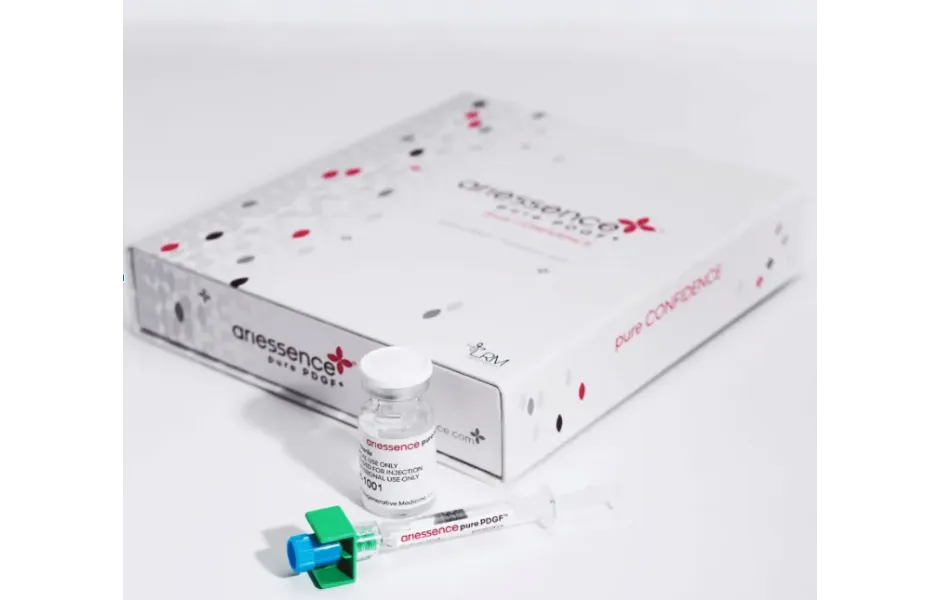
PDGF is short for platelet-derived growth factor, a protein your body has been using to repair itself since long before anyone bottled it. Cut yourself, and platelets release it within minutes. Get a microneedling treatment, and the same thing happens on a smaller, controlled scale. This post gets into the actual biology: what PDGF does at a cellular level, why repair takes as long as it does, and what's been studied versus what's still just a claim. What Ariessence Pure PDGF+ actually is covers the product built around this protein, and PDGF vs PRP compares it to the blood-based alternative. Be Beautiful's own Ariessence Pure PDGF+ service page has the treatment details.
Table of Contents
The Repair Cascade: From Injury to New Tissue
Fibroblasts: The Cells Doing the Rebuilding
Collagen, Elastin, and Why That Takes Weeks
What the Research Actually Shows
What PDGF Actually Is
PDGF isn't one single molecule. It's a family of related proteins, PDGF-AA, PDGF-BB, and PDGF-AB among them, that bind to receptors on specific cells and tell those cells to get to work. PDGF-BB is the form most relevant here, the one both Ariessence and the FDA-approved wound drug becaplermin are built around.
Platelets are the main source in the body, though not the only one. When tissue gets damaged, platelets rush to the site, clot, and release PDGF along with several other signaling proteins almost immediately. That release is the actual starting gun for everything that follows.
The Repair Cascade: From Injury to New Tissue
The short version of how PDGF repairs and renews skin is that repair happens in stages, and PDGF gets involved early. The FDA's label for becaplermin, a recombinant PDGF-BB drug approved for diabetic wound care (a different, unrelated product from Ariessence, though built on the same molecule), describes its effect as "promoting the chemotactic recruitment and proliferation of cells involved in wound repair and enhancing the formation of granulation tissue." Chemotactic just means cells move toward a chemical signal, in this case PDGF itself.
The sequence looks something like this: PDGF gets released, nearby repair cells sense it and migrate toward the site, those cells multiply once they arrive, and they start laying down granulation tissue, the collagen-rich scaffold new skin gets built on.
Fibroblasts: The Cells Doing the Rebuilding
Fibroblasts are the main cells PDGF recruits, and they're the ones actually doing the construction work. A 2017 study on skin wounds in mice, published in the International Journal of Clinical and Experimental Pathology, found that PDGF suppressed an enzyme called MMP-1, which normally breaks collagen down, while raising a protein that protects collagen from that breakdown. Less breakdown plus more building is a reasonable way to summarize how PDGF tips the balance toward repair.
That particular study was done in mice, not humans, and measured tissue under a microscope instead of tracking visible skin changes over time. It's solid supporting evidence for the mechanism itself, not proof of a specific cosmetic outcome in a person's skin.
Collagen, Elastin, and Why That Takes Weeks
None of this happens overnight. Fibroblasts have to migrate to the site, multiply, and then actually synthesize new collagen and elastin, protein by protein, a process that runs on a biological timeline measured in weeks, not days. That's part of why documented PDGF-related results tend to show up gradually: visible changes typically build over a four-to-six-week window per session, more with a full series.
Collagen gives skin its structure and firmness. Elastin gives it the ability to snap back into place. Both decline steadily with age, which is the entire reason a treatment aimed at stimulating fresh production has any appeal in the first place.
The Vascular Side of Repair
Repair also needs blood flow, and PDGF plays a role there too. New tissue needs oxygen and nutrients delivered to it, and PDGF is documented to support pericytes, the cells that wrap around small blood vessels and help keep newly forming tissue supplied while it develops. It's a less-discussed part of the mechanism compared to collagen, but it's a real piece of why growth-factor treatments get framed around supporting overall tissue health, not just smoothing lines directly.
What the Research Actually Shows
Most of the strongest PDGF research comes from wound care, not cosmetics. Becaplermin's FDA approval rests on trials in diabetic ulcers, where the largest study found 50 percent of wounds fully closed within 20 weeks using the drug, compared to 35 percent with a placebo gel. That's a real, measured clinical effect, though it's evidence for wound closure in a very different population than someone getting a cosmetic PDGF treatment.
The cosmetic side of the research is younger and thinner. A 2025 systematic review in the peer-reviewed journal Medicina looked at 13 clinical studies on platelet concentrates and facial rejuvenation, reporting improvements in wrinkles, texture, and elasticity, but flagging small sample sizes and inconsistent methods across the field. PDGF specifically, isolated from the broader mix PRP provides, has even less standalone cosmetic research behind it than PRP does as a whole.
How Ariessence Fits Into This
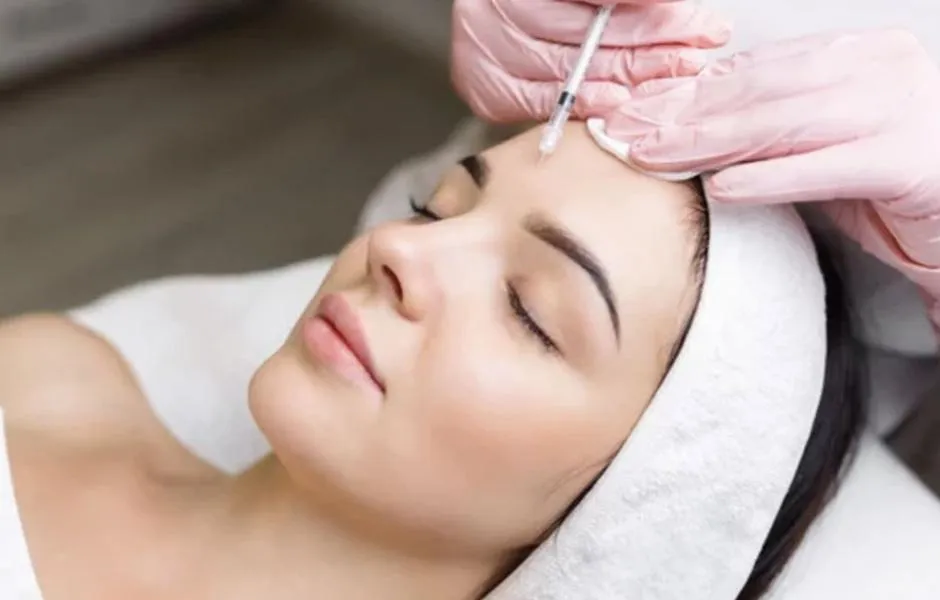
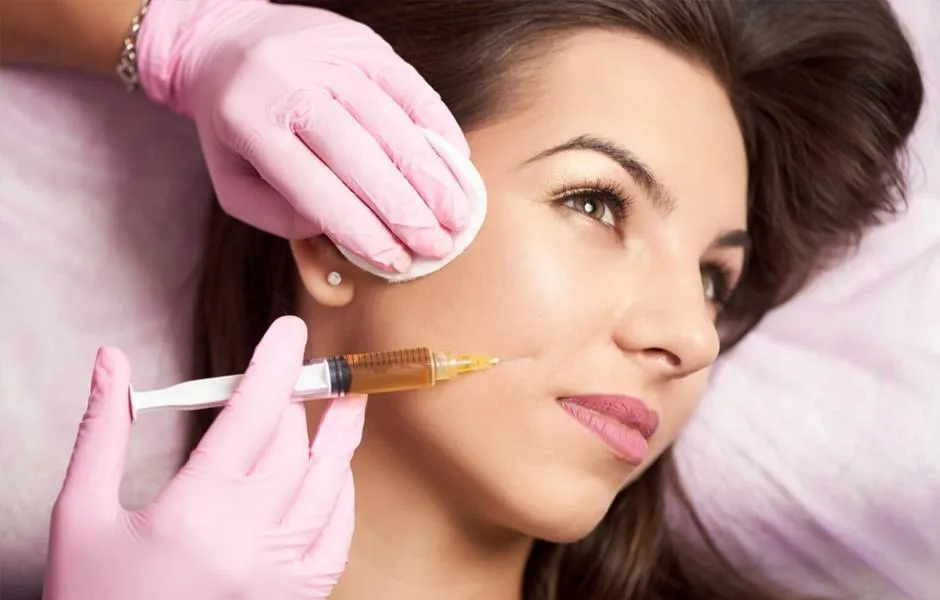
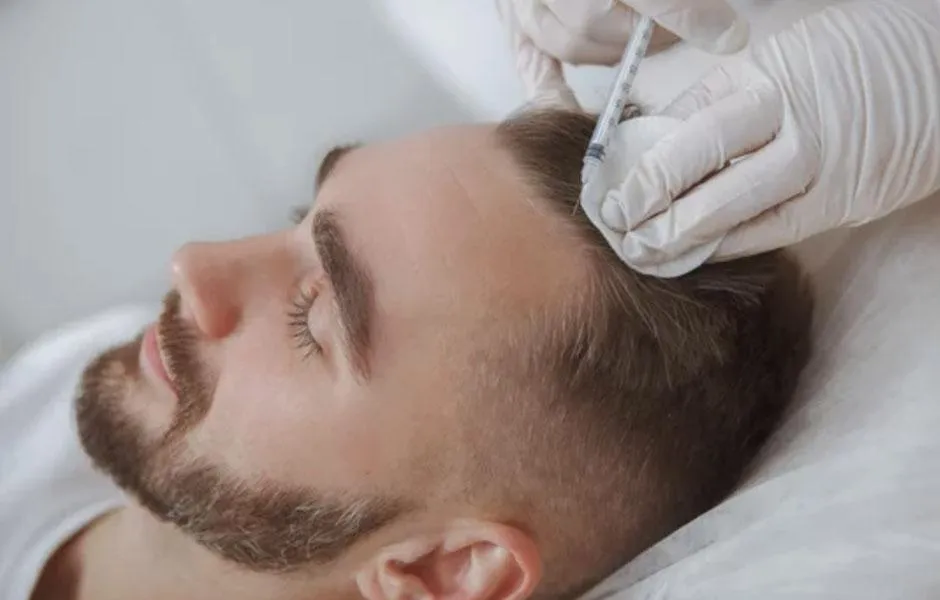
Ariessence Pure PDGF+ is built to deliver exactly the molecule this whole mechanism runs on, in a standardized dose set by manufacturing rather than whatever concentration a patient's own blood happens to produce. Whether that translates into better or more predictable cosmetic outcomes than PRP isn't something the current research settles either way. What's better established is the biology underneath it: PDGF genuinely does recruit repair cells, drive fibroblast activity, and support the vascular tissue new skin depends on. Be Beautiful applies it either as a standalone injectable or immediately after microneedling, a laser, or RF microneedling, timing that lines up with when skin's own repair machinery is already switched on.
A Few Terms Worth Knowing
Chemotactic recruitment is the process of cells moving toward a chemical signal, PDGF in this case. Granulation tissue is the collagen-rich tissue that forms as a wound or treated area heals, the actual material new skin gets built from. Pericytes are the cells wrapped around small blood vessels that PDGF helps support. And MMP-1 is an enzyme that breaks collagen down; PDGF has been shown, at least in lab and animal research, to suppress it.
Putting the Timeline Into Perspective
Say someone gets a round of RF microneedling with a PDGF application right after. Nothing visible changes that same day, and that's expected given everything above: fibroblasts still have to migrate, multiply, and start producing collagen before any of it shows up as smoother or firmer skin. Over the next couple of weeks, the microneedling channels heal, and by roughly four to six weeks, most people start noticing texture and tone shifting. A second and third session, spaced weeks to months out, layer more of the same biological process on top of what the first one started, which is part of why PDGF repairs and renews skin more visibly across a series than after any single appointment.
Frequently Asked Questions
Is PDGF the same in every treatment that uses it?
No. The specific form matters, PDGF-BB versus other variants, along with how it's sourced, manufactured versus pulled from a patient's blood, and how concentrated the dose is. Ariessence uses recombinant PDGF-BB specifically.
How long does it take to see results from a PDGF treatment?
Collagen and elastin production takes weeks to ramp up, so most documented timelines put visible changes somewhere in the four-to-six-week range per session, building further across a series.
Is the research on PDGF solid?
The wound-care research, including an FDA-approved drug, is well established. The cosmetic research is newer and smaller, with real reported benefits but limited standardization across studies so far.
Does PDGF work the same way for everyone?
Individual healing rates, skin condition, and how much collagen someone's already lost all affect the result, the same way they'd affect healing from any wound or procedure.
Can PDGF be combined with other treatments?
Yes. It's commonly paired with procedures like microneedling or laser resurfacing that create the kind of controlled tissue disruption PDGF is built to respond to.
PDGF isn't a new discovery dressed up in marketing language. It's a protein your body has relied on for repair for as long as skin has needed healing. What's newer is delivering it on purpose, in a controlled dose, instead of waiting for an injury to trigger it naturally. Whether that fits into your own skincare plan is a conversation for one of our providers, not something a blog post can settle alone.
This article is for general education and isn't a substitute for personalized medical advice. Talk with a Be Beautiful provider about your skin and health history before starting any treatment.