




What Is Ariessence Pure PDGF+ and How Does It Work?
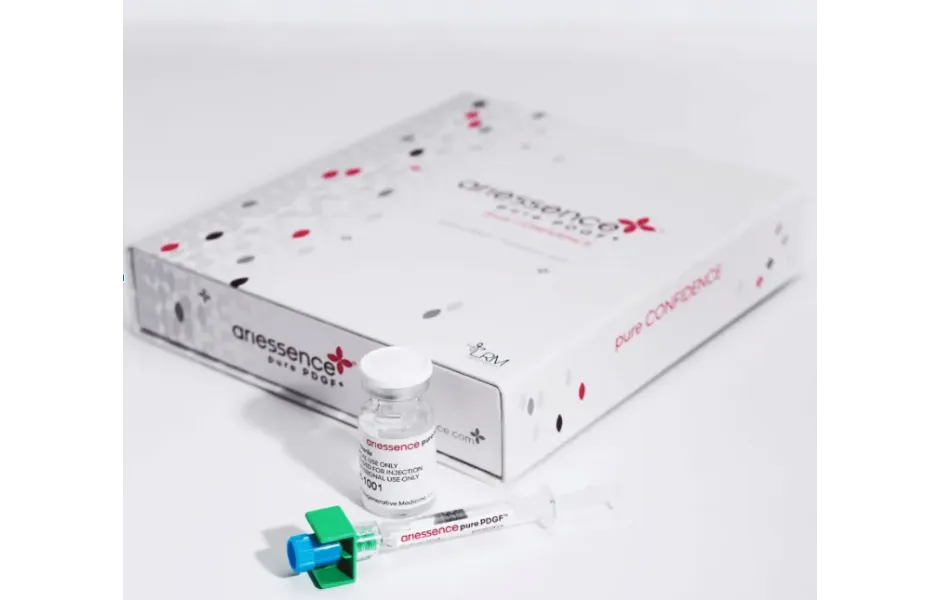
PDGF-BB, grown in yeast cells and purified down to a single pharmaceutical-grade protein. That's the entire active ingredient behind Ariessence Pure PDGF+, plus hyaluronic acid to help it sit in the skin. No blood draw, no centrifuge. PDGF vs PRP: what's the difference gets into why that matters if you're comparing it to a PRP facial, and how PDGF repairs and renews skin goes deeper on the biology itself. This post covers what the treatment actually is and what happens once it's in your skin. Full details on how Be Beautiful uses it are on the Ariessence Pure PDGF+ service page.
Table of Contents
What's Actually in the Formula
The Mechanism: How PDGF Signals Skin Repair
What's Actually in the Formula
Four ingredients, according to the manufacturer. That's the whole pitch: recombinant human PDGF-BB, made by modifying yeast cells to produce the protein, then purifying it in a sterile bioreactor, plus hyaluronic acid and the carriers needed to keep it stable in the syringe or topical solution.
Compare that to something like PRP, which pulls dozens of components straight out of your own blood, and the appeal becomes obvious: a manufactured product doesn't vary session to session the way a patient's own platelets do. Ariessence's manufacturer describes the result as "a potent, sterile, consistent, off-the-shelf form of platelet-derived growth factor." That's a claim from the company itself, not an independent study, though it lines up with how recombinant proteins are generally made and regulated.
Hyaluronic acid is in the mix mainly to help the formula hold its place once it's delivered, and it carries its own well-documented hydration benefits on top of that, separate from what the PDGF itself is doing. Both ingredients are already well known in aesthetic medicine on their own; what's different here is packaging a purified growth factor into something with the consistency and shelf stability a clinic can actually rely on.
The Mechanism: How PDGF Signals Skin Repair
Your body already makes this exact protein. Whenever skin gets disrupted, whether that's a cut, a microneedling pass, or a laser treatment, platelets release PDGF at the site automatically, and that release is what kicks off repair. Ariessence is built to supply more of that same signal, not something synthetic acting differently.
Once it's in the skin, PDGF works by recruiting the cells that actually do the rebuilding. The FDA's own label for becaplermin, a different recombinant PDGF-BB product approved for diabetic wound care (a separate product from Ariessence, though built on the same underlying molecule), describes the mechanism as "promoting the chemotactic recruitment and proliferation of cells involved in wound repair and enhancing the formation of granulation tissue." In plain terms: PDGF calls in fibroblasts, gets them multiplying, and gets them building new tissue, including new collagen and elastin. It's also documented to support the small blood vessels that keep that new tissue fed.
PDGF actually comes in a few related forms, PDGF-AA, PDGF-AB, and PDGF-BB among them, each binding to slightly different receptors on the cell surface. PDGF-BB is generally considered the most active of the group when it comes to triggering fibroblasts, which is part of why it's the form both Ariessence and becaplermin are built around rather than one of the others.
Two Ways It Gets Used
Be Beautiful uses Ariessence Pure PDGF+ two different ways, and the choice usually comes down to what else is on the treatment plan.
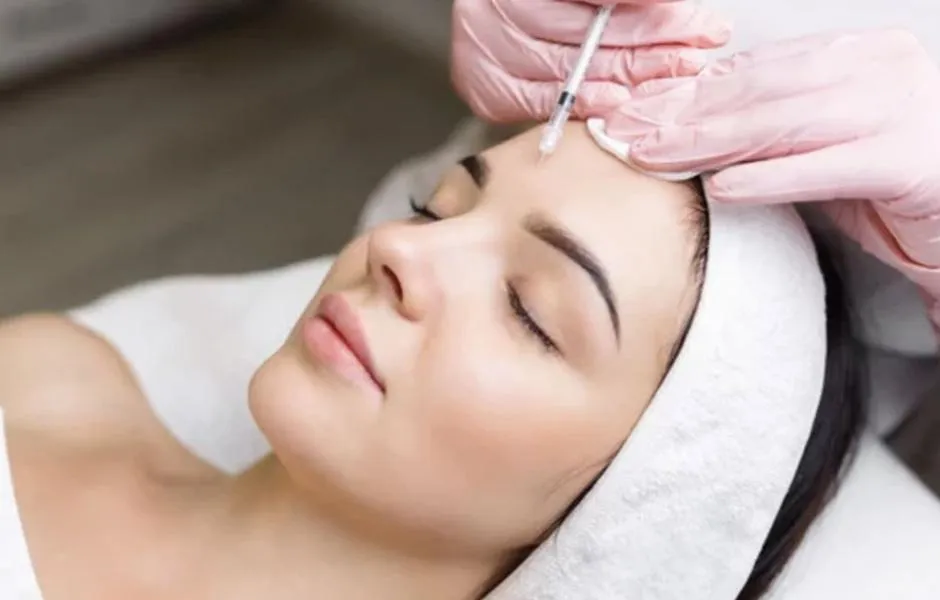
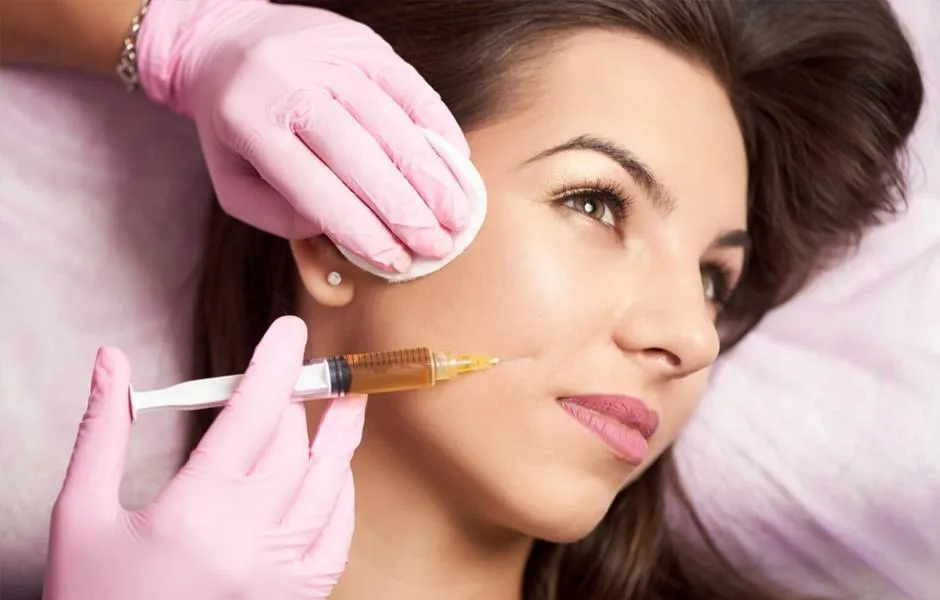
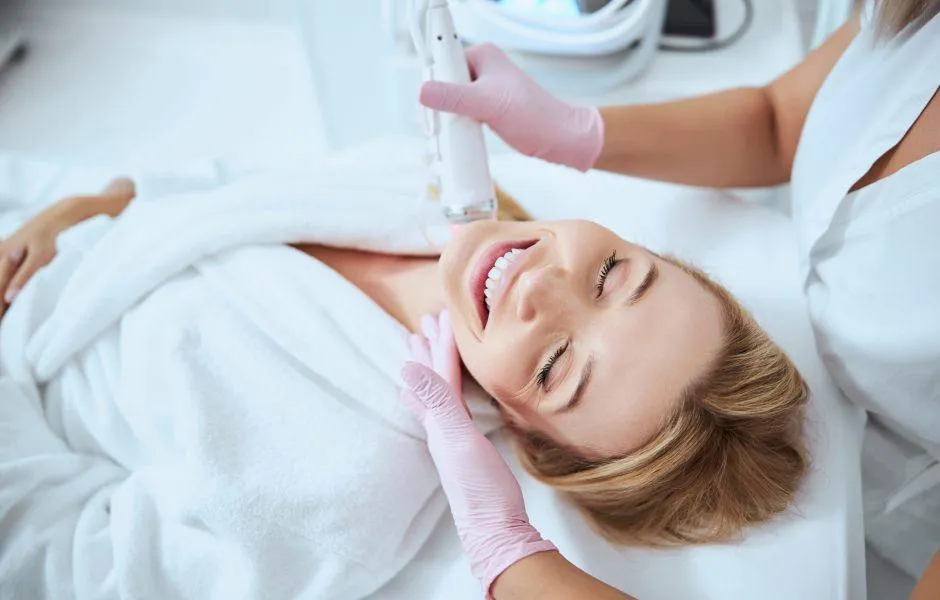
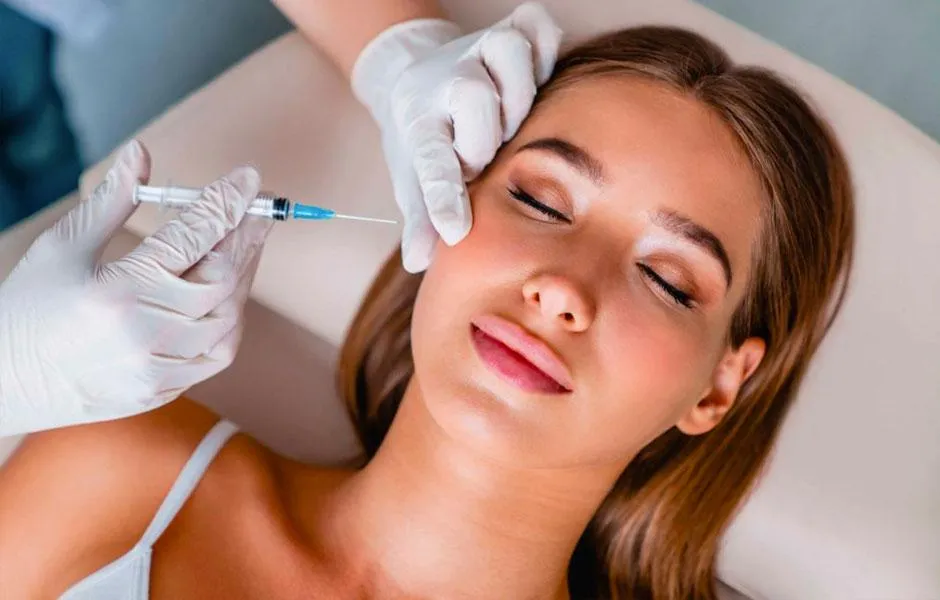
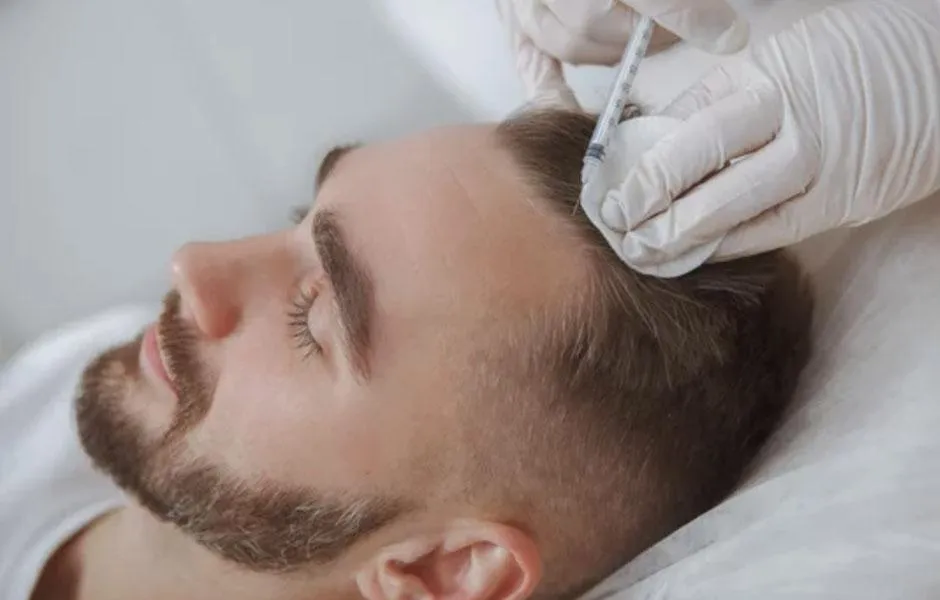
Most often, it goes on immediately after a skin-remodeling procedure like microneedling, a fractional laser, or RF microneedling. The logic is straightforward: those procedures create controlled micro-injuries specifically to trigger your body's own repair response, so applying PDGF right when your skin is already primed to use it tends to speed up recovery and sharpen results. The other option is a targeted injectable on its own, used in specific areas without pairing it to another procedure first.
What a Treatment Series Looks Like
Two to three sessions, spaced four to eight weeks apart, is the typical protocol regardless of which delivery method you're using. Each appointment is quick, and downtime is minimal since there's no needling or resurfacing involved in the PDGF step itself, just the injection or topical application.
Pairing it with microneedling usually adds only a few minutes onto that appointment. As a standalone injectable, sessions run even shorter.
What Results Look Like
Firmer, smoother skin with better texture and tone is the headline claim, along with fewer fine lines and less of the crepey texture that shows up as collagen thins with age. Be Beautiful also lists a brighter, more even complexion and improved hydration among the changes clients notice.
None of that happens on day one. Collagen and elastin production take weeks to ramp up and longer to show visibly, which is consistent with how PDGF is documented to work generally: it's a signal that starts a rebuilding process, not an instant filler. Clients pairing Ariessence with microneedling or a laser treatment tend to report faster, more comfortable healing from that procedure too, which tracks with PDGF's documented role in wound repair.
Who It's For
People noticing early signs of aging, or dealing with texture and tone that photographs don't quite flatter, are the core audience here. So are people already booked for microneedling, a fractional laser, or RF microneedling who want more out of that same appointment without adding a separate visit later.
It's a non-surgical option, which matters if you're specifically trying to avoid downtime or a more invasive procedure. People who've already tried topical retinoids or over-the-counter serums and plateaued are another common fit, since PDGF works on the skin from a different angle, signaling cells to rebuild rather than just hydrating or exfoliating the surface. A consultation is really the only way to know whether standalone injections, the post-procedure pairing, or something else on Be Beautiful's menu fits your skin best.
Cost, Insurance, and Booking
Ariessence Pure PDGF+ is an elective cosmetic treatment, and pricing isn't posted publicly since it depends on how it's used, standalone versus paired with a procedure like microneedling, and how many sessions your plan calls for. Insurance doesn't cover it, the same as most cosmetic treatments at Be Beautiful. The most reliable way to get an actual number is a consultation, where a provider can also confirm whether the standalone or post-procedure route makes more sense for you first.
A Few Terms Worth Knowing
A couple of terms are worth pinning down. PDGF-BB is the specific variant Ariessence uses, one of a handful your body produces naturally. Recombinant just means it's built in a lab, not pulled from someone's blood, the same general approach used across a lot of purified biologic proteins. Chemotactic recruitment, the term you'll see in more technical explanations, is simply the FDA's own language for how PDGF calls repair cells to an injury site. And granulation tissue is the new, collagen-rich tissue that forms while skin heals, which is what smoother, firmer results are actually built from underneath.
Frequently Asked Questions
What is Ariessence Pure PDGF+ made of?
Recombinant human PDGF-BB plus hyaluronic acid, and not much else. The manufacturer describes it as a four-ingredient formula, grown in modified yeast cells, not pulled from anyone's blood.
Does Ariessence hurt?
Not much, whether it's injected or applied after microneedling. Most people describe it as comparable to whatever procedure it's paired with, since the PDGF step itself is quick and minimally invasive.
How is this different from PRP?
PRP comes from your own blood, spun down in a centrifuge to concentrate whatever growth factors happen to be there that day. Ariessence is a single, standardized growth factor manufactured to the same specs every time. The comparison post on this goes into a lot more depth if you want the full breakdown.
How many sessions will I need?
Two to three, spaced four to eight weeks apart, is Be Beautiful's typical protocol. Whether you're combining it with microneedling or getting it as a standalone injectable doesn't usually change that number much.
Can I get this if I'm not doing microneedling or a laser treatment?
Yes. Standalone injectable sessions are one of the two ways Be Beautiful offers it, no other procedure required.
What Ariessence actually does in your skin isn't complicated once you see it laid out: your body already makes this protein, and the treatment just supplies more of it in a standardized dose. Whether standalone or paired with microneedling is the better fit for you is a shorter conversation than it sounds, and one of our providers can have it with you at a consultation.
This article is for general education and isn't a substitute for personalized medical advice. Talk with a Be Beautiful provider about your skin and health history before starting any treatment.